
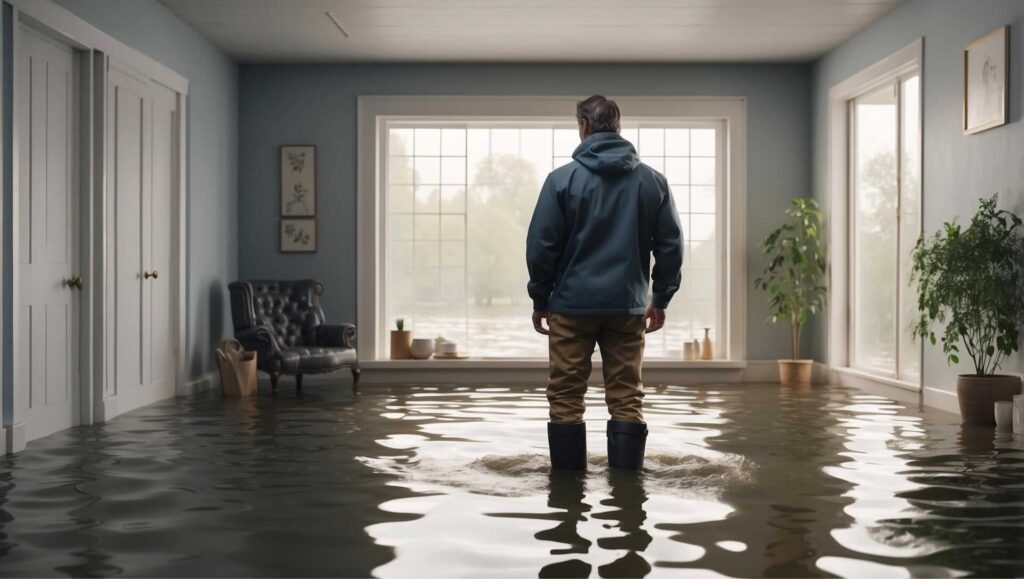
When you’re faced with the aftermath of a flood, knowing the right steps for immediate damage assessment can be vital. You’ll want to evaluate services that employ cutting-edge technologies like drones and thermal imaging to swiftly and accurately gauge the extent of water and structural damage. It’s essential you understand which tools are most effective in detecting hidden moisture and the techniques that ensure the structural safety of your property. As you explore these options, think about how prioritizing certain areas for urgent response could greatly mitigate long-term issues. What might be the long-term impacts of overlooking these critical early steps?
Key Takeaways
- Utilize drones and GIS technology for swift and accurate mapping of flood-affected areas.
- Prioritize assessments in severely impacted zones, focusing on vulnerable communities.
- Document all damage meticulously to facilitate insurance claims and recovery processes.
- Implement immediate testing for health hazards like mold and contaminants in floodwaters.
- Engage professional services for thorough and compliant cleanup and damage remediation.
Assessing Flood Impact Quickly
In the wake of a flood, swiftly evaluating the extent of the damage is essential. You’re not alone in this—everyone affected by the flood is part of a community that’s working hard to rebuild and recover as quickly as possible.
Utilizing flood response strategies effectively can greatly mitigate the adverse effects. Rapid assessment techniques are fundamental in this phase, allowing you to understand the severity and scope of the impact without unnecessary delays.
Rapid assessment involves a combination of on-ground surveys and technological tools. Drones, for instance, can provide aerial photos and videos that help in mapping out affected areas extensively. This immediate bird’s-eye view is indispensable because it gives you a clear picture of the damage, enabling targeted interventions.
Similarly, GIS (Geographic Information Systems) technology plays a pivotal role. It helps in analyzing spatial data, which is essential for planning resource allocation and emergency responses.
Moreover, mobile applications that crowdsource data from residents can offer real-time updates about the flood’s impact. These apps allow community members to report flooding levels, road closures, and other important information, fostering a sense of involvement and solidarity among everyone affected.
Key Players in Damage Analysis
As you explore the landscape of flood damage assessment, you’ll find that leading industry analysts play a pivotal role in shaping the standards and methodologies used.
Advanced assessment technologies have revolutionized how quickly and accurately damage can be assessed, leveraging tools from satellite imagery to AI-driven analytics.
Furthermore, regional service leaders ensure that localized expertise and resources are available to address specific challenges posed by regional flood patterns.
Leading Industry Analysts
Several key players dominate the flood damage analysis sector, each bringing unique expertise and innovative solutions to the table. As you navigate the complexities of flood recovery, understanding the market leaders in this field is essential.
These analysts are at the forefront, interpreting market trends and refining risk assessment methodologies to better serve communities like yours. The landscape of flood damage analysis is continually evolving, driven by experts who analyze vast data sets to predict and mitigate future risks.
Their insights ensure you’re reacting to disasters and proactively preparing for them. By integrating historical data with current market trends, these analysts provide precise and actionable predictions.
This precise, data-driven approach helps in tailoring strategies that align with specific community needs, enhancing resilience against future floods. With their guidance, you become part of a larger community that’s well-informed and better equipped to handle the challenges posed by natural disasters.
Trust in their expert analysis empowers you to make decisions that protect and advance the interests of your community. Remember, in the domain of risk, knowledge isn’t merely power—it’s protection.
Advanced Assessment Technologies
Building on the insights provided by leading industry analysts, the next layer of flood management involves advanced assessment technologies. You’re now at the forefront of a transformative approach in damage analysis through the use of drone assessments and thermal imaging.
These tools aren’t just add-ons; they’re vital in accurately and quickly mapping out affected areas. Drone assessments allow you to collect thorough data without the need for physical entry, which can be dangerous or impossible in the immediate aftermath of a flood. This aerial perspective provides a clear overview, helping you to prioritize areas that require urgent attention.
Furthermore, drones can be equipped with thermal imaging cameras. These cameras are essential because they detect variations in temperature, revealing water presence hidden from the naked eye under structures or buried in debris.
You’re part of a community that values cutting-edge solutions. Thermal imaging, in conjunction with drones, forms a powerful duo that enhances your capability to assess and react to flood damage effectively and efficiently.
Regional Service Leaders
In the domain of flood damage evaluation, regional service leaders play a vital role.
You’ll find that these key players set the stage for efficient recovery by leveraging deep local knowledge and extensive regional resources. Their expertise isn’t merely about evaluating the damage; it’s also about understanding the nuances of the locale which can greatly influence the flood response strategies.
As you navigate the aftermath of a flood, it’s essential to connect with these regional leaders.
They’ve their fingers on the pulse of local infrastructure and environmental conditions, ensuring that evaluations are precise and exceptionally relevant to your specific situation.
This isn’t about a one-size-fits-all approach; it’s about tailored solutions that resonate with the needs of the community.
Essential Tools for Moisture Detection
You’ll find that understanding the types of moisture meters and the functionality of infrared cameras is vital for efficient flood damage assessment.
Moisture meters provide you with quantitative data on the level of moisture in materials, essential for determining the extent of water penetration and necessary remediation steps.
Infrared cameras, on the other hand, allow you to visually detect moisture in areas not immediately apparent, offering an all-encompassing view of hidden dampness and potential mold growth.
Types of Moisture Meters
To accurately evaluate water damage, understanding the different types of moisture meters is essential. These devices play a significant role in identifying the extent of moisture invasion, critical for effective remediation and repair.
Let’s explore the primary types you’ll encounter:
- Digital Moisture Meters: These offer precise readings with digital displays that provide instant data. They’re user-friendly and often come with a range of features that assist in providing detailed moisture levels in various materials. This makes them indispensable in your toolkit.
- Analog Moisture Meters: These are the traditional choice, featuring a needle and dial to indicate moisture content. They require interpretation and are valued for their durability and reliability in rugged conditions.
- Pinless Moisture Meters: Utilizing electromagnetic sensors, these meters can scan a broader area without damaging the surface. Ideal for initial inspections to quickly identify problem areas.
Each type has its strengths, and your choice will depend on the specific requirements of the job at hand.
Whether you’re dealing with flooded basements or evaluating old water damage, integrating these tools into your assessment process enhances accuracy and efficiency, ensuring you’re not merely a part of the community but a crucial contributor to its recovery.
Infrared Cameras Explained
While moisture meters are invaluable for pinpointing moisture content in materials, infrared cameras open up new horizons in water damage assessment by visually revealing temperature differentials. As you explore the field of thermal imaging, you’ll find that these cameras are indispensable for identifying the subtle heat signatures that indicate moisture presence.
Infrared cameras do more than just detect moisture; they help you see the unseen. By interpreting the heat signatures invisible to the naked eye, you’re equipped to preemptively tackle moisture-related issues before they worsen. This approach saves time and greatly reduces potential repair costs.
Here’s a quick breakdown of how thermal imaging can benefit your assessments:
| Advantage | Impact |
|---|---|
| Non-invasive detection | Limits disruption to structures and occupants |
| Immediate visualization | Speeds up the assessment process |
| Detailed analysis | Enables precise identification of problem areas |
Immediate Structural Safety Evaluations
When floodwaters recede, your first priority must be an immediate structural safety evaluation to determine whether buildings are stable and safe for entry. This vital step ensures that you’re not putting yourself or others at risk when you first step back into a flood-damaged building.
Remember, the integrity of structures can be severely compromised by water damage, even if the issues aren’t immediately apparent.
To conduct a thorough and effective evaluation, focus on several key aspects:
- Assess structural integrity: Check for visible signs such as cracks in the walls, floors, and foundations. Look for warping or buckling in flooring and ceilings that might suggest a shift in the building’s stability. It’s important to identify any potential hazards that could lead to collapse or further damage.
- Follow safety protocols: Before entering any building, verify that all utility services (gas, electricity, water) are turned off to prevent accidents such as electrocution or gas leaks. Use appropriate personal protective equipment (PPE) to safeguard against injuries from debris and contaminated water.
- Seek professional guidance: Don’t make assumptions about the safety of a building. Engage with professionals like structural engineers or building inspectors who can provide a more detailed and accurate assessment of the building’s condition.
Conducting these evaluations isn’t just about ticking boxes; it’s about securing the safety and security of everyone involved.
Prioritizing Areas for Urgent Response
After evaluating the structural safety of flood-damaged buildings, you must prioritize areas that require urgent response to maximize efficiency and resource allocation. This step is essential in ensuring that the most vulnerable and severely impacted communities receive timely interventions, emphasizing the sense of belonging and support you’re part of providing.
Flood zone prioritization is your first tool. By analyzing geographic data and flood severity, you’re able to map out zones with the highest needs. This isn’t merely about seeing where the water hit hardest; it’s about understanding where the fabric of community and economy are most frayed and where your immediate actions can knit these elements back together.
Your emergency response strategies should include rapid assessment teams equipped with the necessary tools to address urgent needs. These teams should be dispatched to the highest priority zones first. You’re not merely sending help; you’re delivering hope and a message that each member of the affected community isn’t alone—they are part of a collective effort to rebuild and restore.
Documenting Damage for Insurance Claims
To effectively manage your flood insurance claim, you must meticulously photograph all affected areas, capturing the extent and nature of the damage.
You’ll need to compile a detailed inventory of damaged property, itemizing each piece to ensure a thorough claim.
Additionally, securing and organizing all claim-related documentation is essential for the smooth processing of your insurance case.
Photographing All Affected Areas
You’ll need to meticulously photograph all areas impacted by the flood to ensure your insurance claims are thorough and supported by clear evidence.
Effective damage documentation is vital, and your approach to capturing these details can greatly influence the outcome of your claims.
Employ advanced photographic techniques to make certain that the extent and nature of the damage are clearly recorded.
Here’s how you can enhance the quality and effectiveness of your flood damage photographs:
- Utilize High-Resolution Settings: Confirm your camera or smartphone is set to the highest resolution to capture detailed images that show the extent of the damage clearly.
- Take Multiple Angles: Capture each area from various angles to provide an all-encompassing view of the damage. This method helps in highlighting the impact in ways that a single photo mightn’t convey.
- Use Adequate Lighting: If natural light is insufficient, use additional lighting sources. Proper lighting is fundamental for revealing hidden details and providing clarity in your photos.
Detailed Inventory Compilation
Once you’ve captured photos of the flood damage, it’s essential to compile a detailed inventory of all affected items for your insurance claim. This inventory checklist will serve as a thorough record that substantiates your claim, ensuring you’re adequately compensated for your losses.
Start by categorizing the damaged items. Separate them into groups such as electronics, furniture, and personal items. This damage categorization streamlines the process and aids in the precise evaluation of your losses.
For each item on your inventory checklist, include a description, the estimated value, and the extent of the damage. Be as specific as possible—for example, don’t just note “sofa” but specify “three-seater leather sofa with water damage on the left cushion.”
Securing Claim Documentation
Securing your claim documentation is essential after compiling a detailed inventory of flood-damaged items. This step ensuers that your insurance company has all the necessary information for claim verification. You’re not merely filing a claim; you’re advocating for your recovery and every piece of paper matters in this process.
Here’s what you need to focus on:
- Photographic Evidence: Capture clear, detailed photos of all damaged property and belongings. Confirm each image is timestamped to strengthen your claim’s validity.
- Receipts and Proof of Ownership: Collect receipts, bills, or bank statements that prove ownership and the pre-flood condition of your items. If receipts are unavailable, manuals or product boxes can serve as substitutes.
- Detailed Descriptions: Write precise descriptions for each damaged item, including model numbers, brand names, and the location of damage. This detail supports your claim’s accuracy and aids in the assessment process.
Implementing these documentation strategies streamlines the claims process and integrates you into a community working towards recovery.
Techniques for Rapid Water Extraction
While examining flood damage, it’s imperative to employ rapid water extraction techniques to prevent further deterioration of the property. You’re not only saving your space; you’re preserving a part of yourself and the community you belong to. Immediate water removal is critical, and understanding the best strategies and equipment can make all the difference.
First, let’s talk about water removal strategies. Time is of the essence, so start by evaluating the water’s depth and spread. Use submersible pumps and industrial wet/dry vacuums for deep water situations. These tools are powerful and efficient, capable of handling large volumes of water quickly, which is essential to mitigate the damage.
For less severe cases, mopping and blotting might suffice but don’t underestimate the need for thoroughness.
Next, focus on extraction equipment. It’s about having the right tools and using them effectively. Portable extraction units are excellent for accessing hard-to-reach areas, ensuring no nook is left water-logged.
Truck-mounted extractors offer more power and are ideal for extensive damage scenarios. Always choose equipment that suits the specific needs of your property to optimize the extraction process.
Importance of Mold and Contaminant Testing
After addressing immediate water extraction, it’s vital to turn your attention to mold and contaminant testing. Floodwaters often carry harmful microbes and substances that can create serious health risks if not promptly and effectively addressed.
By prioritizing mold remediation and contaminant prevention, you’re not merely restoring your property; you’re safeguarding your community’s health and well-being.
Mold, particularly, can develop within 24 to 48 hours of water exposure. It doesn’t solely damage the structure of your home or business; it poses severe health risks, especially to those with respiratory issues.
Early detection through professional testing is imperative to prevent its spread. Effective mold remediation processes, initiated after thorough testing, ensure that mold is removed and prevented from returning.
Contaminants in floodwaters can include pesticides, chemicals, and sewage that pose their own unique threats. Testing for these contaminants helps in formulating a targeted approach that addresses specific dangers, effectively reducing potential health risks associated with exposure.
Here are key reasons why mold and contaminant testing shouldn’t be disregarded:
- Health Protection: Identifies health threats from mold and contaminants, allowing for immediate remedial action.
- Cost Efficiency: Early detection and intervention prevent larger, more costly issues down the line.
- Property Integrity: Ensures the structural integrity of your property by addressing hidden risks that can cause long-term damage.
Commercial Property-Specific Challenges
Commercial properties frequently face unique challenges when dealing with flood damage, particularly due to their scale and operational complexities. As a commercial property owner or manager, you’re not merely managing a building; you’re orchestrating a hub of diverse businesses, each with its own needs and expectations.
The repercussions of flood damage in such settings extend far beyond physical repair; they ripple through the economic systems that depend on your property’s functionality.
One of the primary hurdles you’ll encounter relates to insurance implications. Steering through claims can be a formidable task, given the intricate nature of commercial policies and the potential for significant financial exposure. It’s essential to understand your coverage specifics—what’s included and what’s omitted—to effectively manage both your expectations and those of your tenants.
Speaking of tenants, effective communication is another significant component. In the wake of a flood, maintaining open lines of communication is critical. You need to inform your tenants about the extent of the damage, the expected timeline for repairs, and how it affects their operations.
This information helps manage their expectations and reinforces a sense of community and mutual support.
Moreover, coordination becomes a key issue. You must juggle the needs of various stakeholders, from tenants and insurers to repair crews and local authorities. Each group has its distinct priorities and requirements, making your role as the coordinator both essential and challenging.
Best Practices for Efficient Cleanup
Steering through the complexities of flood damage in commercial properties requires a methodical approach to cleanup that prioritizes speed and effectiveness.
As you navigate the aftermath, understanding and implementing the best practices for efficient cleanup is vital. These strategies restore safety and minimize business downtime.
Firstly, assess the extent of the damage promptly. Immediate evaluation helps in prioritizing areas that need urgent attention, ensuring your cleanup efforts are directed where most needed. This step is foundational for any effective flood cleanup strategy.
Secondly, remove water and moisture as quickly as possible. Utilizing high-powered pumps and industrial dehumidifiers accelerates the drying process, which is essential in preventing the proliferation of mold and mildew.
Remember, the longer the water sits, the more damage it causes.
Lastly, decontaminate and disinfect all affected areas. Floodwaters often carry harmful bacteria and contaminants. Thorough cleaning with appropriate disinfectants is imperative for making your commercial space safe for reoccupation.
Here are three key points to keep in mind:
- Prioritize Safety: Confirm electrical systems are turned off before starting any cleanup to avoid electrical hazards.
- Document Everything: For insurance claims and future reference, meticulously document the damage with photos and detailed notes.
- Seek Professional Help: Engage professionals in flood cleanup strategies and post-flood restoration to ensure compliance with health and safety standards.
Wrap-Up
You’ve navigated the stormy seas of flood damage; now it’s time to anchor down the essentials. Harness advanced technologies and prioritize immediate assessments to mitigate risks swiftly. Engage with top professionals for cleanup, ensuring your safety remains paramount. Remember, the quicker you act, the smoother the waters ahead. By adhering to these best practices, you’ll restore structures and lives with precision and care. Act now; resilience is just a decision away.